The Bare-Minimum Food Day: What to Eat When Cooking Is Not Happening
There are days when cooking sounds completely reasonable. You have food in, enough energy to make something, and the idea of chopping an onion does not feel like an unreasonable demand on your time.
Then there are the other days.
You are hungry, you know you should eat, and technically there is food in the house, but every available option seems to contain too many steps. The ingredients are there, but so is the requirement to decide what to make, prepare it, cook it, wait for it and then deal with whatever mess comes afterwards. Suddenly ordering something feels easier than making a sandwich, and the longer you put it off, the less capable of making a decision you become.
Those are the days I think need their own food plan.
Not a meal plan. Not a healthy-eating reset. Not an elaborate list of emergency freezer recipes. Just a bare-minimum food day: a version of feeding yourself designed specifically for the days when cooking is not happening.
Stop Asking What You ‘Should’ Cook
I think one of the easiest ways to make eating harder is starting with the wrong question.
‘What should I cook?’
On a good day, fine. On a low-energy day, that question immediately creates a project. It assumes cooking is happening, when the entire problem is that you do not want to cook.
A much more useful question is: what can I eat with the least amount of effort available to me right now?
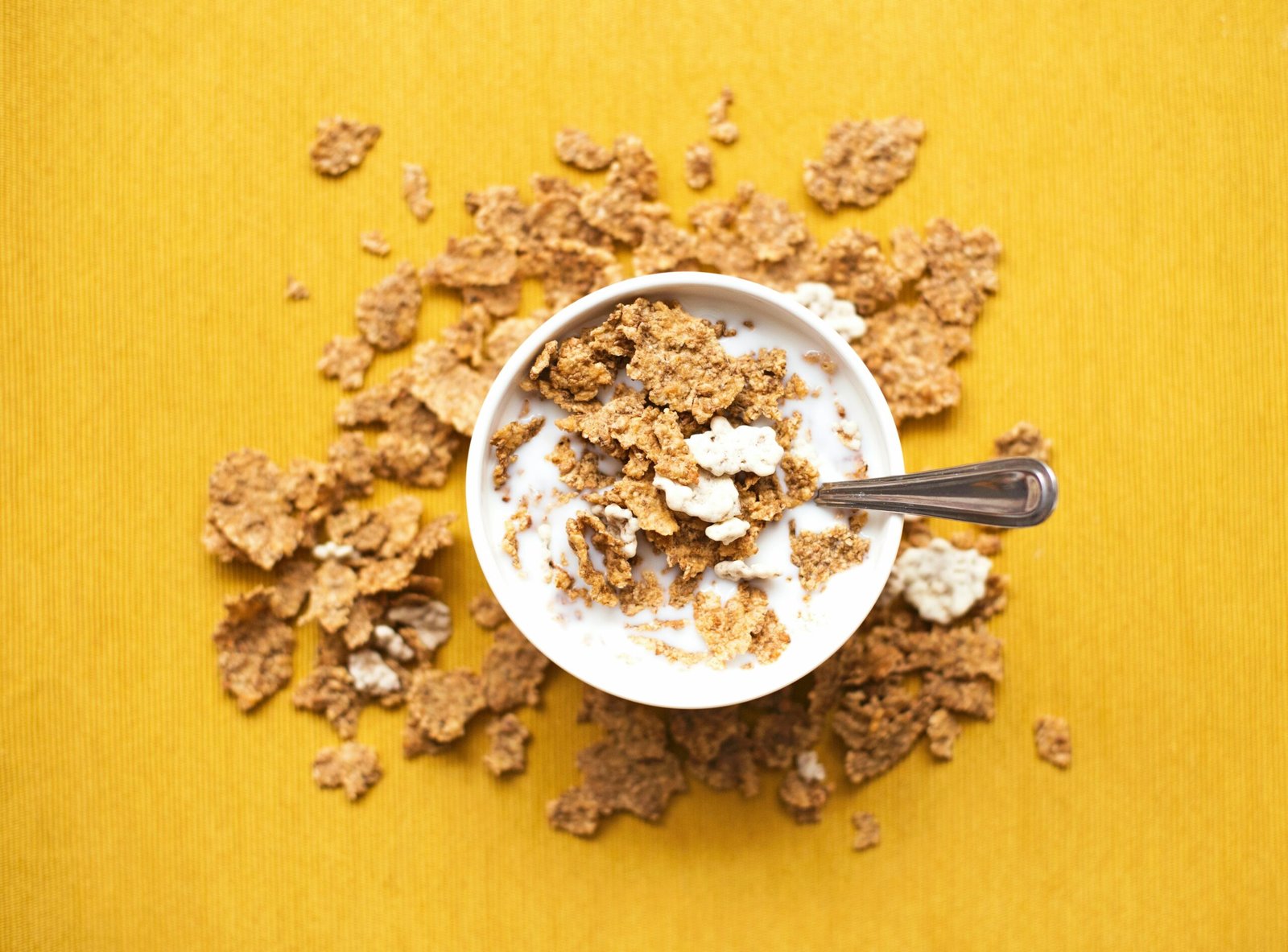
Sometimes the answer is something you can microwave. Sometimes it is toast. Sometimes it is cereal, a sandwich, yoghurt, cheese and crackers, a protein bar, leftover pasta or a random plate of bits from the fridge. The food does not become less useful because it did not involve a chopping board.
The objective is to eat.
Everything after that is a bonus.
Have Three Levels of Food Effort
I find this easier if food has levels, just like routines do.
On a Good Day, you might cook something properly. Maybe you make a full dinner, prep enough for tomorrow, or use the extra energy to do a bit of Cook Once, Eat Twice so Future You has an easier option waiting.
On a Meh Day, you probably need something that still feels like a meal but requires very little thinking. A jacket potato, pasta with pesto, microwave rice with something from the freezer, an air-fryer meal, eggs on toast or leftovers all fit here.
Then there is the Survival Day version. That is the day where the threshold drops considerably. Toast is food. Cereal is food. A sandwich is food. A yoghurt, banana and cereal bar collectively count as having eaten something. You do not need to turn a low-energy day into a nutrition performance review.
The point is not pretending every version is identical. The point is making sure there is always a version available.
Convenience Food Is Doing a Job
I think convenience food gets treated far too often as though it is a sign that somebody has failed to organise themselves properly.
Sometimes it is exactly the opposite.
Microwave rice exists because cooking rice takes longer. Pre-grated cheese exists because grating cheese is another step. Ready-cooked chicken, bagged salad, frozen vegetables, pre-cut fruit and individual yoghurt pots all remove pieces of work from eating.
If those products make it more likely that you actually feed yourself, they are useful.
There is no prize for buying the theoretically most efficient ingredient if it repeatedly sits untouched in the fridge because using it requires more effort than you realistically have. A block of cheese may be cheaper per gram than grated cheese, but if the grated version is what actually ends up in your lunch, that matters too.
The cheapest option is not always the most useful option.
Build Meals From Bits
One of my favourite low-effort food categories is what I can only describe as a plate of bits.
There is no recipe. You are assembling things that vaguely make sense together and deciding that this counts as lunch.
Cheese, crackers, fruit, hummus, cold meat, falafel, tomatoes, bread, yoghurt, nuts, leftover chicken, boiled eggs, whatever is already there. It does not need to look like a carefully arranged grazing board designed for Instagram. It just needs to contain enough food that you stop being hungry.
This works especially well when the idea of choosing one proper meal feels too difficult. You do not have to decide what you want. You just pick a few things you can tolerate eating and put them on a plate.
That is a complete strategy.
Keep One or Two ‘No Thinking Required’ Meals
I think everybody needs a couple of meals that do not require a decision.
Not favourite meals. Not impressive meals. Just things you know you will usually eat and can make without mentally rehearsing the process first.
For me, that might be something like a jacket potato with cheese, pesto pasta, toast with something on it, or an easy air-fryer meal. Yours could be completely different.
The important part is having something you can default to when your brain starts doing the thing where every available food option sounds wrong.
If you already know what the fallback meal is, you have removed one of the hardest parts: deciding.
Leftovers Are Bare-Minimum Gold
This is where Cook Once, Eat Twice becomes especially useful.
If you already have cooked chicken, pasta, chilli, curry or something else in the fridge, a low-energy meal can be mostly reheating rather than cooking. That is a completely different level of effort.
I think this is why making slightly more food on a good day pays off so well. You are not meal-prepping your entire week or assigning every future meal in advance. You are just leaving one easier option behind.
Future You might still decide she does not want it. Fine. But having one ready-made option available is considerably better than opening the fridge to a collection of ingredients that all expect you to become a chef.
Eating Something Small Is Better Than Waiting for the Perfect Meal
Another trap I fall into is deciding that I am going to wait until I can face making something ‘proper’.
Then two hours pass, I am considerably hungrier, and making any decision becomes even harder.
Sometimes the best first move is eating something small. Have the yoghurt. Eat the cereal bar. Make one piece of toast. Grab a banana. Have whatever is easy enough that you can do it now.
It does not have to become the full meal.
Taking the edge off being hungry can make it much easier to decide what happens next. The alternative is waiting until you are so hungry that your brain has stopped participating in the conversation entirely.
Your Emergency Food Should Be Food You Actually Like
There is no point stocking a cupboard full of theoretically useful emergency meals that you do not want to eat.
If your ‘easy meal’ option is something you consistently ignore, it is not really an easy meal option.
The best bare-minimum foods are the things you genuinely reach for when effort is low. That might be soup, noodles, frozen pizza, cereal, sandwiches, pasta, ready meals, crackers, yoghurt or something else entirely.
Pay attention to what actually gets eaten.
That information is more useful than what you think you are supposed to keep in the cupboard.
Do Not Turn the Bare Minimum Into Another System to Perfect
This is the bit I have to remind myself of constantly.
The moment you name a system, there is a risk of accidentally turning it into another thing that needs organising properly. Suddenly you need a dedicated freezer section, labelled containers, a perfectly designed grocery list and seven different emergency meals prepared in advance.
No.
The bare-minimum food day is supposed to reduce effort.
Maybe all you do is make sure there is always bread in the freezer, something easy in the cupboard and one or two things in the fridge you know you will eat. Maybe your system is simply remembering that cereal is allowed to be dinner.
You do not need to optimise the emergency option until it becomes another job.
A Low-Energy Day Still Deserves Food
I think this is probably the most important bit.
It is easy to treat eating properly as something you earn by having enough energy to cook, shop well and make good decisions. When you do not have that energy, food becomes another thing you feel like you are doing badly.
That does not help.
Some days you will cook. Some days you will assemble something. Some days you will microwave something, and some days dinner will look suspiciously like a collection of snacks.
The useful question is not whether the meal was impressive.
It is whether you fed yourself.
On a bare-minimum day, that is enough.
Want the useful bits?
GET THE NEXT ONE BY EMAIL.
New Routine-ish posts and practical shortcuts, sent occasionally. No productivity sermon.